

Modern False Ceiling Designs in Kanpur

FALSE CEILING DESIGNS


Layered Round False Ceiling Design

Layered Square and Center round False Ceiling design


Cross Layered False Ceiling Design
TYPE OF FALSE CEILING DESING
False ceilings, also known as suspended ceilings, are an additional layer of ceiling suspended below the original ceiling.
They are used for aesthetic purposes, to conceal wiring, pipes, or HVAC systems, and to improve acoustics.
There are several types of false ceilings, each with its own materials, advantages, and uses. Here are some of the most common types:
1. Gypsum False Ceiling
-
Material: Gypsum boards (plasterboard) are mounted on a metal framework.
-
Advantages:
-
Provides a smooth, seamless finish.
-
Fire-resistant and soundproof.
-
Lightweight and easy to install.
-
-
Applications: Ideal for homes, offices, and commercial spaces.
2. Fiber Ceiling
-
Material: Mineral fiber tiles, typically made from a mixture of natural minerals, wood fibers, and other elements.
-
Advantages:
-
Excellent sound absorption.
-
Fire-resistant.
-
Easy to maintain and clean.
-
-
Applications: Common in offices, schools, and industrial spaces.
3. Grid False Ceiling
-
Material: A suspended grid system made of aluminum or steel into which panels or tiles are placed.
-
Advantages:
-
Easy installation and maintenance.
-
Offers flexibility in changing tiles and lights.
-
-
Applications: Often used in commercial spaces like offices, hospitals, and retail outlets.
4. Wooden False Ceiling
-
Material: Wood or wood veneer panels fixed onto a grid system.
-
Advantages:
-
Adds a warm, elegant look to interiors.
-
Can be used for acoustic purposes when designed correctly.
-
-
Applications: High-end residential homes, hotels, and restaurants.
5. PVC Ceiling
-
Material: PVC panels that are lightweight and easy to install.
-
Advantages:
-
Waterproof and durable.
-
Resistant to termites and fungal growth.
-
Low maintenance.
-
-
Applications: Commonly used in kitchens, bathrooms, and areas with high humidity.
6. Stretch Ceiling
-
Material: A flexible fabric or PVC membrane that is stretched across a frame.
-
Advantages:
-
Can create a seamless look with various textures and designs.
-
Available in glossy, matte, or translucent finishes.
-
Allows for creative lighting effects.
-
-
Applications: Modern homes, luxury hotels, and commercial establishments.
7. Aluminum Ceiling
-
Material: Aluminum panels or tiles mounted on a metal grid.
-
Advantages:
-
Highly durable and fire-resistant.
-
Provides a sleek, contemporary look.
-
Resistant to corrosion.
-
-
Applications: Often used in commercial spaces like airports, shopping malls, and offices.
8. Glass False Ceiling
-
Material: Glass panels with a metal or wooden frame.
-
Advantages:
-
Allows for natural light to filter through.
-
Creates a unique, elegant aesthetic.
-
-
Applications: Premium residential buildings, art galleries, and commercial spaces looking for an open, airy atmosphere.
9. Rock Wool False Ceiling
-
Material: A type of ceiling tile made from rock wool, which is a natural insulator.
-
Advantages:
-
Excellent thermal and sound insulation properties.
-
Fire-resistant.
-
-
Applications: Ideal for industrial and commercial applications where noise reduction and temperature control are important.
10. Fabric Ceiling
-
Material: Decorative fabrics suspended from a frame or attached directly to the ceiling.
-
Advantages:
-
Offers a unique and soft texture.
-
Can be used for acoustic purposes.
-
-
Applications: Event spaces, theaters, and interiors seeking a soft, artistic look.
11. Concrete False Ceiling
-
Material: Precast concrete panels or poured concrete.
-
Advantages:
-
Extremely durable and strong.
-
Can support heavy equipment or fixtures.
-
-
Applications: Industrial spaces, warehouses, and large commercial buildings.
12. Polycarbonate False Ceiling
-
Material: Polycarbonate panels, which are strong and translucent.
-
Advantages:
-
Allows light to pass through, creating a bright, open feeling.
-
Impact-resistant and durable.
-
-
Applications: Modern offices, shopping malls, and showrooms.
Each type of false ceiling offers unique benefits depending on the aesthetic, functional, and environmental requirements of the space. The choice often depends on the desired look, acoustics, fire safety, cost, and ease of installation.

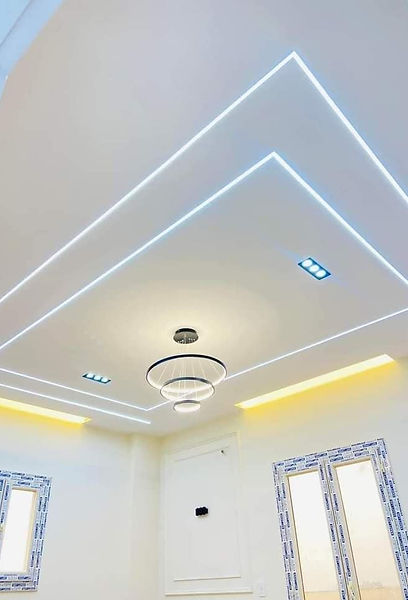
False Ceiling Design in Kanpur: Stylish Modern & Traditional Ideas for Your Home


